
The global wind energy sector is experiencing a transformative shift—not just in the number of turbines being installed, but in their sheer size. Modern wind turbines have grown from 1.5 MW machines with 80-meter rotor diameters in the early 2000s to massive 15 MW offshore giants spanning over 200 meters. This dramatic upscaling has created a critical bottleneck in wind farm construction: traditional lifting equipment simply cannot handle the weight and dimensions of today’s turbine components. The answer lies in specialized wind turbine installation cranes engineered for unprecedented capacity, reach, and precision.
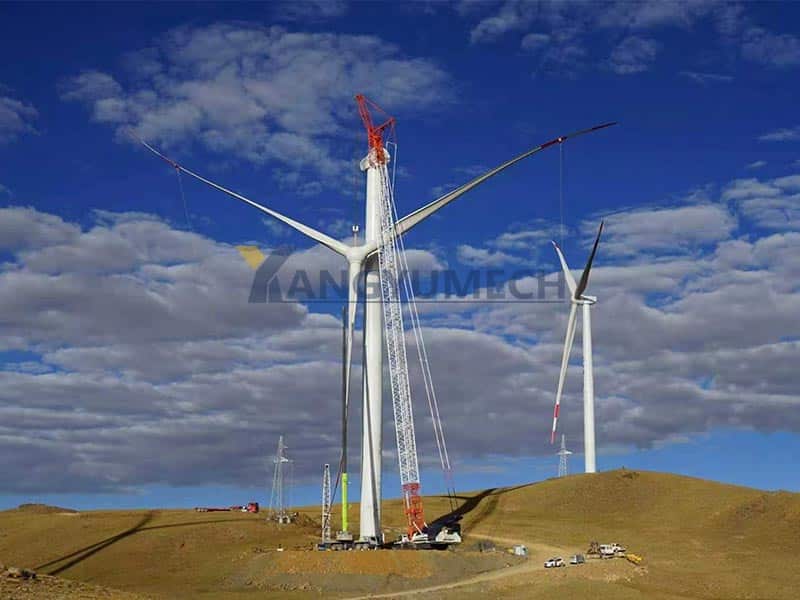
Why Larger Cranes Are Becoming Essential
The economics of wind energy demand larger turbines. Bigger rotors capture more wind, generating more power per unit, which directly improves the return on investment for wind farm developers. However, this scaling presents massive handling challenges. A single nacelle for a 10 MW offshore wind turbine can weigh over 500 tons, with hub heights exceeding 100 meters. Tower sections exceeding 120 meters require precise vertical alignment during erection, while blade lengths of 100 meters or more demand specialized rigging and lifting techniques that standard construction cranes cannot provide.
This is where dedicated wind turbine installation cranes come into play. Unlike general-purpose construction cranes, these machines are engineered from the ground up to handle the unique geometry, weight distribution, and precision requirements of wind turbine assembly. The large wind turbine crane segment has responded with models ranging from 600 tons to over 2000 tons capacity, specifically designed to lift nacelles, tower sections, and blades in one or two lifts—drastically reducing construction time and risk.
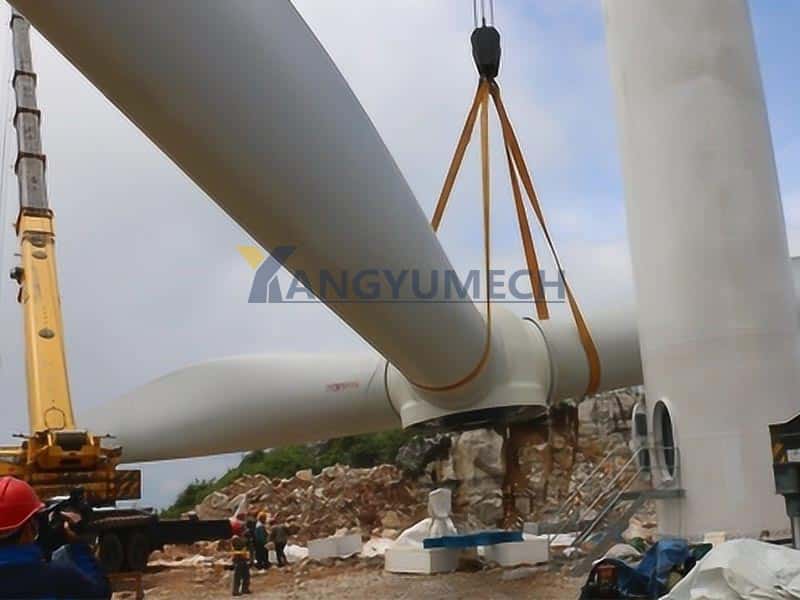
Technical Requirements for Wind Turbine Installation
Handling wind turbine components demands more than raw lifting capacity. Wind turbine erection cranes must achieve precise positioning at heights exceeding 150 meters, often in challenging weather conditions. This requires advanced load control systems with variable speed drives, anti-sway technology, and real-time wind speed monitoring to ensure safe operation during lifts.
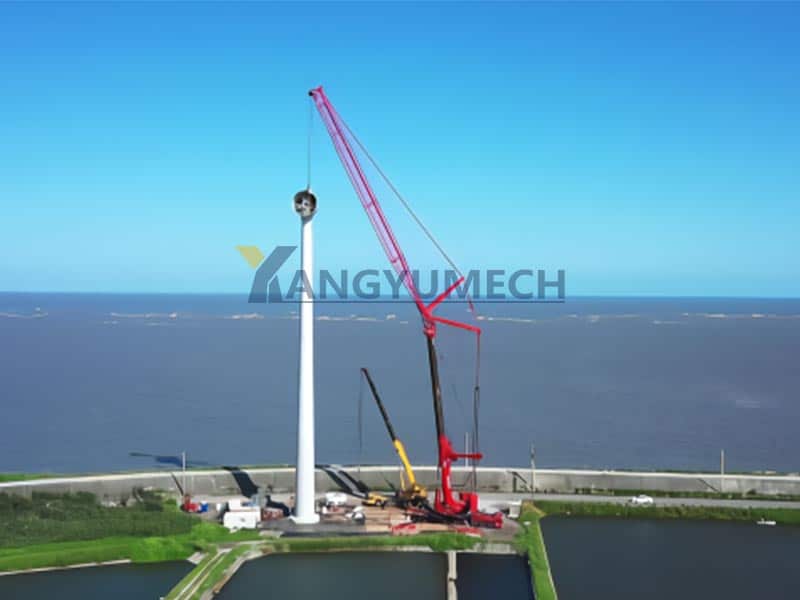
Offshore wind turbine installation introduces additional complexities. Cranes must operate in marine environments with high humidity, salt spray, and wave-induced vessel movement. Specialized offshore wind turbine installation crane models feature corrosion-resistant coatings, enclosed operator cabins with climate control, and certification to maritime standards like DNV and ABS. The ability to operate from floating platforms or jack-up vessels has driven innovation in motion compensation and precision landing systems.
For onshore wind farms, terrain and accessibility often limit crane options. Self-propelled modular cranes with all-terrain crawlers have become the standard, capable of transporting 1000-ton lift capacities over rough ground to wind turbine pad sites. These machines offer quick assembly and disassembly, reducing mobilization time across a large wind farm with 50 or more turbine positions.
Market Drivers and Future Outlook
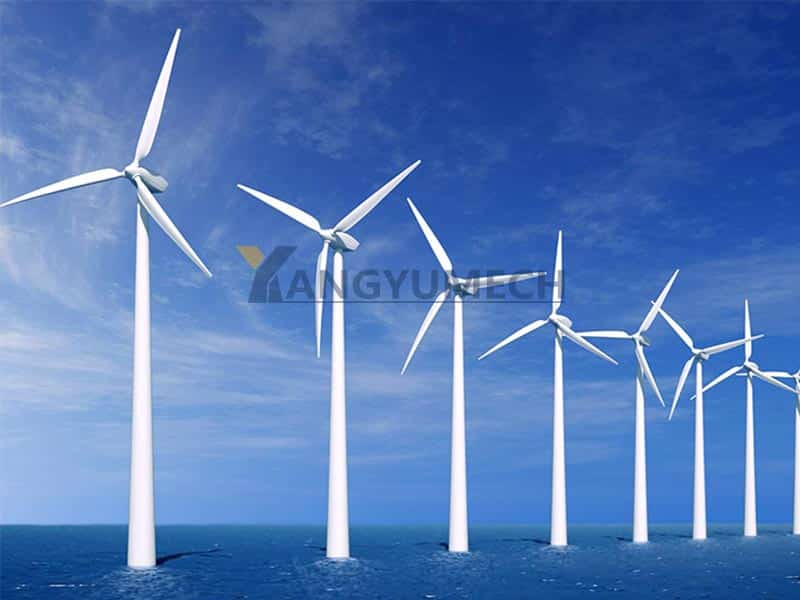
The push toward larger wind turbines shows no signs of slowing. Industry projections indicate 20 MW offshore turbines will enter commercial deployment by 2030, requiring lifting solutions with capacities exceeding 2500 tons. This escalating trajectory is reshaping the wind turbine crane market, with only a handful of manufacturers possessing the engineering capability and manufacturing infrastructure to meet these demands.
Customization has become a key differentiator. Wind farm sites vary dramatically in soil conditions, turbine models, and logistics constraints. A one-size-fits-all crane rarely delivers optimal performance. Leading wind turbine crane manufacturers now offer custom engineering services, tailoring boom configurations, counterweight systems, and lift rigging to match specific project requirements. This bespoke approach reduces project costs by optimizing crane utilization and minimizing ground preparation work.
Choosing the Right Wind Turbine Installation Crane
Selecting a crane for wind turbine installation requires careful analysis of multiple factors. First, identify the maximum single-lift weight of your heaviest component—for most current projects, this ranges from 300 to 800 tons for nacelles, with tower sections typically between 100 and 250 tons. Second, determine the required lift height—this correlates directly with tower height plus necessary clearance for rigging. Third, assess the working radius needed, which depends on turbine spacing and site access roads.
For offshore projects, verify crane certification to maritime standards and confirm compatibility with vessel load charts. For onshore wind farms, evaluate ground bearing capacity and crane mobilization costs, as moving a 1000-ton crane across a large wind farm can account for 15-20% of total project lifting costs.
Budget considerations extend beyond the initial purchase or rental price. Fuel consumption, maintenance requirements, and expected utilization all influence total cost of ownership. For large-scale developers, partnering with a crane manufacturer offering flexible purchase, lease, or project-based pricing models often proves more cost-effective than outright ownership, particularly for single large projects.
Yangyumech Wind Energy Crane Solutions
Yangyumech has established itself as a trusted manufacturer of heavy industrial lifting solutions for the wind energy sector. Our product portfolio encompasses wind turbine installation cranes ranging from 200 tons to 1500 tons capacity, with custom configurations available for offshore and onshore applications. Every crane is engineered and manufactured to CE, FEM, and ISO 9001 standards, ensuring reliable performance in demanding wind farm environments.
We understand that wind energy projects operate on tight schedules and strict budgets. That’s why Yangyumech offers competitive pricing on our wind turbine crane line, with flexible payment terms and logistics support for global delivery. Our comprehensive after-sales package includes 24/7 technical support, operator training, and rapid spare parts availability to keep your project on track.
Whether you need a standard wind turbine erection crane or a fully customized lifting solution for next-generation 15 MW turbines, our engineering team has the expertise to deliver.
Contact us today at Email:sales@Yangyumech.com or WhatsApp:+86-157-3677-5771 to discuss your wind energy project requirements and receive a competitive quote tailored to your specific needs.