
The metal industry pushes lifting equipment harder than almost any other sector. Cranes in steel mills, aluminum plants, and metal service centers operate around the clock, handling loads that range from white-hot molten metal to 30-ton steel coils at sub-zero temperatures. Choosing the wrong crane type for a metal processing application can mean frequent breakdowns, safety incidents, or production downtime that costs far more than the crane itself.
Overhead Bridge Cranes for Metal Industry: The Foundation of Any Plant
Every metal processing facility needs reliable overhead bridge cranes. These machines form the backbone of material movement from the melt shop through casting, rolling, and finishing. The difference between a standard overhead crane and one built for metal industry service lies in the details: heavier structural steel sections, higher working class ratings, enhanced drive systems, and often specialized hoist configurations matched to the loads being handled.
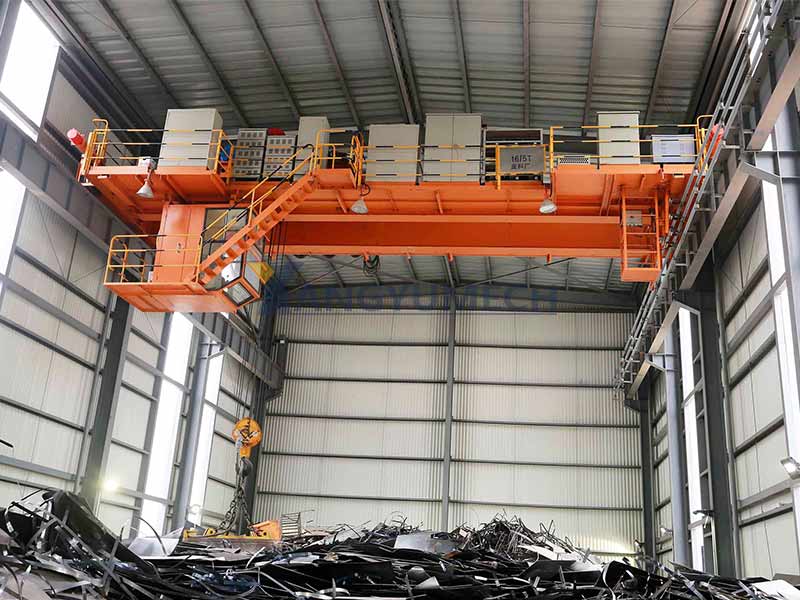
Double girder overhead cranes for steel plant applications have become the industry standard for heavy lifting. The twin girder design provides the rigidity needed to handle the shock loads common in metal handling, while the elevated hoist position between the girders maximizes lift height in facilities with limited headroom. Capacities from 20 tons to 250 tons are routine in modern steel plants, with specialized designs pushing well beyond.
The working environment in metal industry applications demands rugged components. Braking systems must handle frequent stops under heavy load. Wire rope and chain hoists need materials that withstand the abrasive particles common in steel mills. Control systems benefit from variable frequency drives that smooth acceleration and reduce the load swing that damages sensitive workpieces. A crane built for general warehouse use simply will not survive the daily punishment of a steel service center or metal fabrication shop.
Ladle Cranes and Hot Metal Handling: Where Conditions Are Harshest
The melt shop presents the most demanding crane environment in any metal processing facility. Ladle cranes handle massive refractory-lined vessels filled with molten steel at temperatures exceeding 1600 degrees Celsius. These are not lifting machines in the conventional sense—they are critical safety systems where failure is simply not acceptable.
Hot metal handling cranes require completely enclosed motors, heat shields protecting critical components, and structural designs that account for thermal expansion during continuous high-temperature operation. The hoists typically operate at much slower speeds than standard industrial cranes, providing the precise control needed to position ladles over casting machines without splashing molten metal. Redundant braking systems, emergency stop circuits, and reinforced hook assemblies are standard requirements for any crane handling molten metal.
Similar demands apply to cranes serving induction furnaces, arc furnaces, and secondary steelmaking vessels. These heavy-duty hot metal cranes operate in environments where ambient temperatures routinely exceed 50 degrees Celsius at floor level, climbing higher near the melt zone. Choosing a crane without adequate heat protection ratings leads to premature motor failure, degraded braking performance, and safety risks that no responsible facility manager should accept.
Magnet and Grab Bucket Cranes for Metal Handling
Moving finished metal products requires a different set of tools. Steel coils, bundled rebar, structural sections, and finished plate all present handling challenges that standard hook lifting cannot address efficiently. Overhead cranes equipped with electromagnetic or mechanical lifting attachments handle these products at speeds and with safety levels that manual slinging cannot match.
Electromagnetic overhead cranes for steel coil handling use powerful magnets suspended from the hoist to lift steel coils without hooks, slings, or other rigging. This speeds up cycle times dramatically—magnet engagement takes seconds rather than the minutes required to rig a coil for hook lifting. Modern magnet crane systems include magnet circuits with reverse polarity demagnetization, preventing residual magnetism that could cause coils to drop unexpectedly.
For handling bundled scrap metal, structural steel, or irregularly shaped metal products, grabs and clamp attachments serve better than magnets. Scrap yard cranes for metal recycling operate at high cycle rates, grabbing, lifting, and dumping scrap into furnace charging buckets or transport containers. The grab mechanism must withstand the abrasive impact of scrap metal entering the bucket, requiring reinforced hinge points and wear-resistant bucket shells.
Plate handling cranes use vacuum lifters or specialized plate clamps to move steel plate without surface damage. Finishing lines for automotive sheet, appliance panels, and precision plate require lifting attachments that do not mar the product surface—magnet marks or clamp dents render the material unusable for exposed panel applications.
Gantry and Outdoor Cranes for Metal Yards
Not all metal industry lifting happens inside climate-controlled buildings. Steel yards, scrap storage areas, and outdoor loading operations require cranes that can handle weather exposure, uneven ground conditions, and heavy cycle rates without the infrastructure of an indoor runway system.
Gantry cranes for metal yards range from simple single-leg designs serving limited work areas to massive full-gantry systems with 200-ton capacity and 50-meter spans covering entire stockyards. Rubber tired gantry cranes offer flexibility for operations that need to serve multiple yard areas without the fixed rail infrastructure of traditional gantry installations. The mobility of RTG systems suits metal service centers with large outdoor storage areas where crane coverage must shift as stock locations change.
For heavy outdoor applications where rail-mounted gantry capacity exceeds practical limits, rail-mounted gantry cranes provide the span and lifting height needed to serve multiple stockyard bays from a single machine. These large RMG cranes handle incoming steel coils from rail cars and trucks, organizing and stacking inventory for efficient retrieval into the processing facility.
Rolling Mill and Process Line Cranes
The rolling mill itself presents a unique crane environment. Cranes serving hot rolling lines must synchronize with the mill schedule, handling steel slabs, blooms, and finished coils in precise coordination with mill throughput. Rolling mill cranes operate in extremely high cycle rate environments, making hundreds of lifts per shift, often under demanding thermal conditions as hot product moves through the process.
Cranes serving cold rolling lines and finishing lines handle finished coils at ambient or cryogenic temperatures, often with requirements for precise positioning at coil handling stations. These process line cranes typically include sophisticated control systems with anti-sway features, programmable positions, and integration with mill automation systems. The cranes become part of the production process rather than simply material handling equipment.
Yangyumech Cranes for the Metal Industry
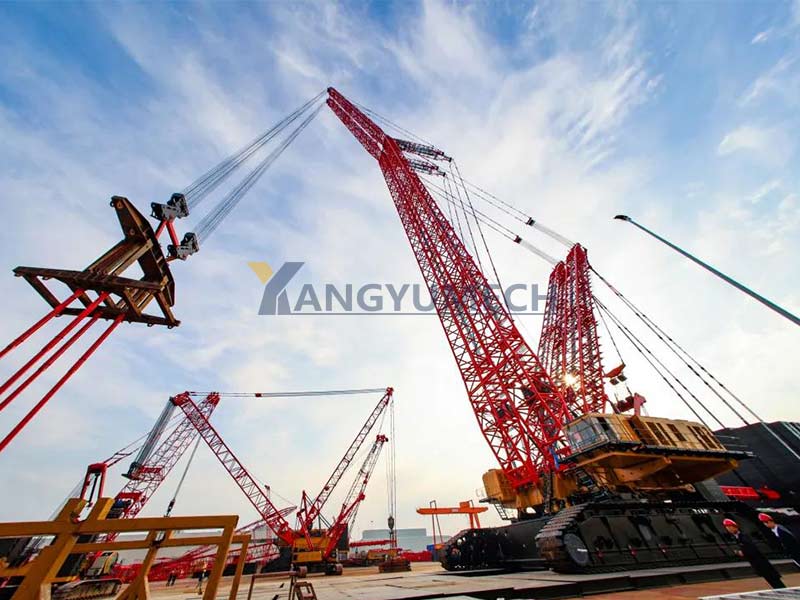
Yangyumech has designed and manufactured cranes for metal processing facilities for over two decades. Our product range covers every application in the metal industry, from 5-ton single girder overhead cranes in metal fabrication shops to 350-ton double girder magnet cranes for steel service centers. We build ladle cranes for melt shop environments, scrap handling cranes for recycling operations, and precision coil handling systems for finishing lines.
Every Yangyumech metal industry crane is engineered to FEM, ISO, and CMAA standards, with Class D through Class H working duty ratings matched to your actual operating conditions. We use heavy-walled box girders, sealed bearing wheels, and enclosed drive systems as standard features on our industrial crane models—not premium upgrades. CE certification is available for all international orders, and our engineering team provides custom configurations for specialized metal processing applications.
Direct factory pricing means you get industrial overhead cranes for metal industry applications at competitive rates without distributor markup. Standard models ship within published lead times, while our flexible manufacturing process accommodates custom orders with reasonable delivery schedules. We support every crane with installation documentation, operator training, and spare parts availability through our global distribution network.