
If you’ve been keeping an eye on the material handling industry, you probably already know that things are moving fast. The global crane market has been expanding at a steady clip, and 2026 looks like it’s going to be a pivotal year for anyone involved in heavy lifting, construction, or industrial manufacturing.
Whether you’re a procurement manager at a steel plant, a logistics coordinator at a port terminal, or an engineer evaluating equipment upgrades, understanding where this market is heading can directly impact the decisions you make today.
The Big Picture: Market Size and Where We’re Headed
The numbers tell a compelling story. The global crane rental market alone is projected to reach USD 68.04 billion by 2030, growing at a compound annual growth rate (CAGR) of 5.1% from 2025’s baseline of USD 53.12 billion. That’s not a niche industry figure — that’s serious capital moving into heavy equipment.
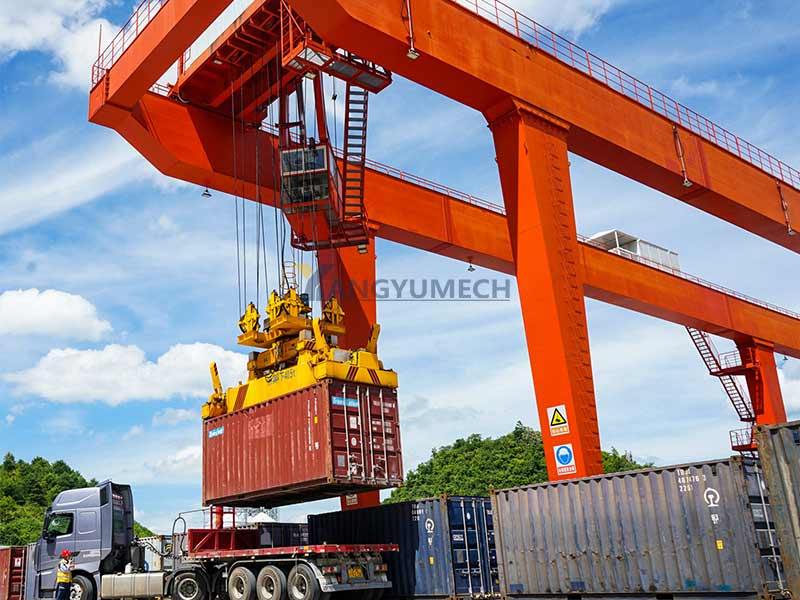
The onshore crane segment is tracking toward USD 11.28 billion by 2031, up from USD 8.98 billion in 2025, representing a 3.87% CAGR. Construction and infrastructure development remain the primary demand drivers, but we’re seeing growth pull from unexpected corners too — renewable energy projects, in particular, are creating fresh demand for specialized lifting equipment.
Asia Pacific is leading the charge with the fastest regional growth rate, fueled by rapid urbanization in China, India, and Southeast Asian markets. But don’t sleep on North America and Europe either — aging infrastructure replacement cycles and increasingly strict safety regulations are pushing facility managers toward newer, smarter crane systems even when existing equipment still functions.
What’s Actually Driving This Growth
You can’t talk about gantry crane market growth without talking about construction activity. Global infrastructure spending has increased substantially, with governments greenlighting projects that were shelved during economic uncertainty. We’re seeing momentum in transportation networks, energy facilities, and commercial construction across multiple regions simultaneously — a pattern that hasn’t occurred this broadly in over a decade.
Beyond traditional construction, the renewable energy sector has become a genuine growth category. Wind farm installations require heavy lifting equipment capable of handling massive components with precision. Solar farm construction, while less lifting-intensive, still demands reliable material handling. This energy transition spending is creating a new customer base for crane manufacturers and rental companies alike.
Warehouse automation and smart manufacturing initiatives are influencing the market in a different way. Facilities that previously relied on manual forklift operations are upgrading to overhead crane systems for improved workflow efficiency. The push toward Industry 4.0 has made intelligent crane control systems a selling point rather than a luxury.
Why Asia Pacific Is Taking the Lead
There’s no getting around it — China remains the world’s largest crane manufacturing hub, and that production capacity is meeting both domestic and international demand. Indian manufacturing growth has added another significant demand center, while Southeast Asian nations are investing heavily in port infrastructure and industrial zones.
For international buyers, this geographic concentration creates interesting procurement dynamics. Chinese overhead crane manufacturers have invested heavily in quality certification and international compliance standards. What used to be a market characterized by price-focused purchasing has evolved into one where buyers carefully evaluate technical specifications, after-sales support, and total cost of ownership alongside the initial price tag.
European manufacturers continue to dominate premium segments, particularly for specialized applications like explosion-proof cranes for chemical facilities or precision cranes for semiconductor manufacturing. But the gap between Eastern and Western quality standards has narrowed considerably over the past five years.
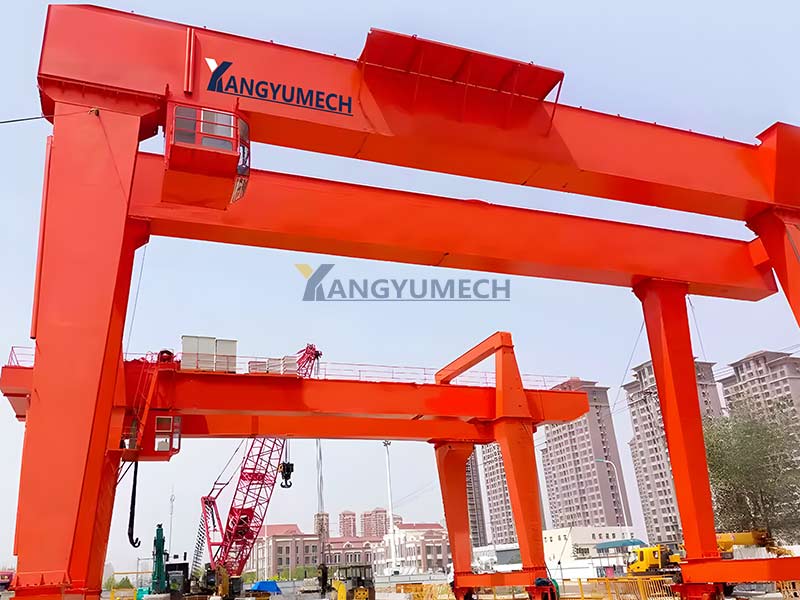
Key Trends Shaping Buyer Decisions in 2026
Smart technology integration has moved from optional to expected. Buyers evaluating overhead crane systems now routinely ask about remote monitoring capabilities, predictive maintenance alerts, and integration with facility management platforms. This isn’t limited to new installations either — crane modernization and upgrade services have become a significant market segment as companies retrofit existing equipment with IoT sensors and automated controls.
Sustainability requirements are influencing purchasing decisions more than ever. Electric overhead crane systems have gained market share as facilities aim to reduce their carbon footprint and operating costs simultaneously. Battery-powered and hybrid power solutions for mobile and gantry cranes are becoming viable alternatives to traditional diesel power, particularly for indoor and port applications.
Safety compliance remains non-negotiable, but the conversation has evolved. Instead of asking whether equipment meets minimum regulatory standards, sophisticated buyers are evaluating how industry crane systems contribute to overall facility safety culture. Anti-collision systems, operator training integration, and real-time load monitoring have become standard evaluation criteria for serious buyers.
Making the Right Equipment Decision for Your Facility
Here’s where things get practical. Market growth statistics matter less when you’re standing in your facility trying to decide between a single girder bridge crane and a double girder configuration for your workshop. The right choice depends on your specific load requirements, operating frequency, space constraints, and budget parameters.
Capacity specifications deserve careful attention. Many buyers undersize their equipment initially to save costs, only to face replacement decisions within a few years as production demands increase. Conversely, oversized equipment represents unnecessary capital expenditure. Working with manufacturers who provide detailed technical consultation can help you hit the right balance.
Certification and compliance shouldn’t be an afterthought. If you’re serving international markets or working with multinational clients, CE marking, ISO standards, and regional certifications may affect which equipment options make sense for your operation. Quality certification isn’t just about regulatory compliance — it often correlates with manufacturing consistency and long-term reliability.
How Yangyumech Fits Into This Growing Market
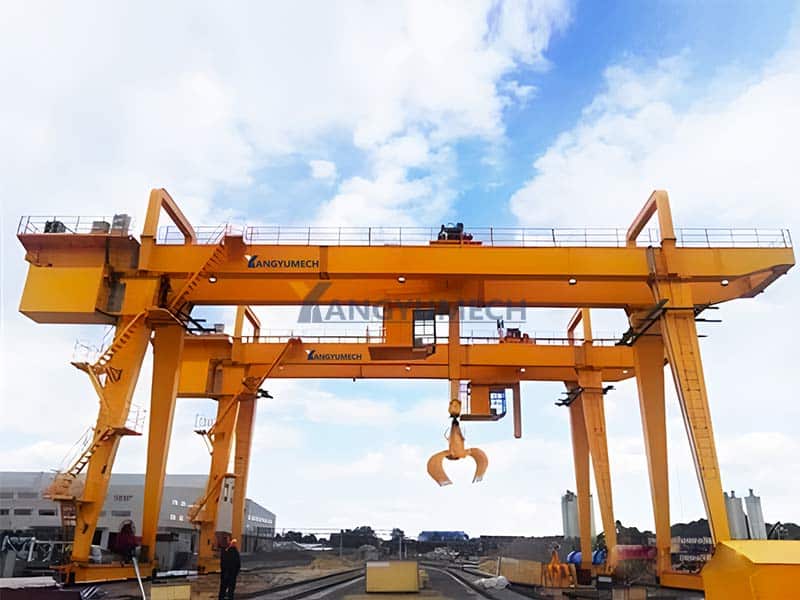
At Yangyumech, we’ve positioned ourselves to serve the full spectrum of industrial lifting needs. Our product portfolio spans single girder and double girder overhead cranes, gantry crane systems for both indoor and outdoor applications, jib cranes, and electric hoist solutions ranging from compact European-style units to heavy-duty configurations capable of handling loads up to 500 tons.
What sets us apart isn’t just the equipment — it’s how we approach each project. We work directly with facility managers, engineers, and procurement teams to understand operational requirements before recommending solutions. This isn’t a one-size-fits-all business. A steel fabrication workshop has fundamentally different needs than a port logistics operation, and those differences matter when you’re specifying equipment that’s expected to perform reliably for decades.
Our engineering team handles custom configurations for specialized applications. Whether you need custom span dimensions, non-standard lifting heights, or integration with existing automation systems, we have the in-house capability to design and manufacture to your specifications. Every project receives dedicated technical support from initial consultation through installation and commissioning.
We maintain strict quality control throughout our manufacturing process and back our equipment with comprehensive certification documentation for international markets. Our export experience spans multiple continents, with established logistics partnerships that make international delivery straightforward.
Beyond the initial purchase, we provide ongoing technical support and spare parts availability. We understand that downtime costs money, and our responsive service team is structured to minimize operational interruptions for our customers.
If you’re evaluating crane solutions for your facility, we’d welcome the opportunity to discuss your specific requirements. Our team can provide detailed technical specifications, project consultation, and competitive pricing tailored to your application.