

Derek Kaku KBK
Derek modular KBK‑C yang kaku (derek KBK kaku) adalah sistem pengangkatan stasiun kerja modular yang terhubung dengan baut kaku dan berasal dari Eropa. Berbeda dengan derek ringan KBK berengsel fleksibel, ia mengadopsi sambungan baut kaku penuh antara profil track tanpa sambungan berengsel universal.
Derek KBK‑C kaku Yangyumech mencakup kapasitas mulai 0,125‑5ton, rentang maksimal hingga 10m. Mendukung pemasangan yang digantung di langit-langit atau rangka penyangga mandiri yang berdiri bebas. Kekakuan lebih tinggi dan akurasi posisi lebih baik, banyak diterapkan untuk perakitan otomotif, bengkel permesinan dan proyek renovasi pabrik lama.
Keterangan
Aplikasi Khas & Pra-Kondisi Situs
Derek modular KBK‑C yang kaku cocok untuk skenario yang memerlukan kekakuan tinggi dan penentuan posisi yang akurat:
‑ Lini produksi perakitan otomotif dan suku cadang mobil
‑ Bengkel permesinan presisi, stasiun pengubah cetakan
‑ Proyek renovasi pabrik lama tanpa derek landasan pacu yang berat
‑ Perakitan peralatan dalam jumlah kecil, penanganan komponen mekanis
Prakondisi lokasi:
1. Tipe ditangguhkan: Balok baja di atas bangunan harus diverifikasi secara struktural untuk menahan beban dinamis suspensi.
2. Tipe berdiri sendiri: Memerlukan lantai beton datar yang diperkeras untuk baut jangkar rangka penyangga.
tugas kerja: A1-A3; Terutama pengangkatan frekuensi menengah intermiten di stasiun kerja dalam ruangan.
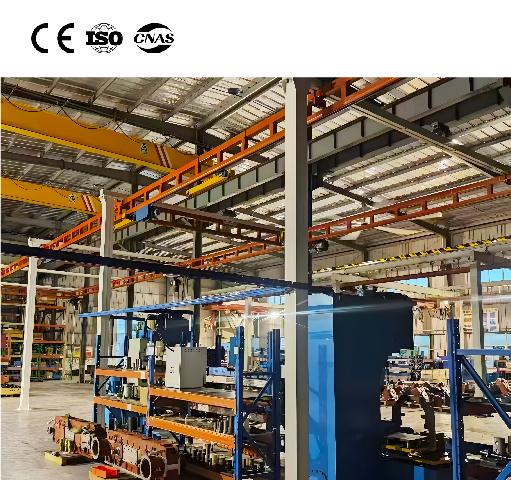
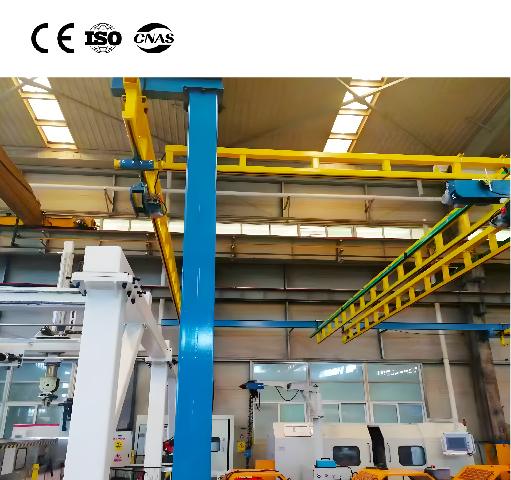
Dua Konfigurasi Instalasi Utama
Derek KBK‑C Kaku yang Ditangguhkan di Langit-Langit
Digantung pada balok atap baja bangunan yang ada dengan braket suspensi tugas berat. Tidak menempati ruang lantai, cocok untuk bengkel dengan struktur bantalan baja overhead yang memenuhi syarat. Jarak titik suspensi biasanya 3 ‑ 5 meter.
Derek KBK‑C Kaku Swadaya Berdiri Bebas
Sistem rangka penyangga baja independen yang lengkap. Tidak ada persyaratan untuk membangun kapasitas menahan beban di atas kepala. Cocok untuk renovasi pabrik lama atau bangunan tanpa balok baja atap berkualitas.
Proses Pembelian Khusus
1. Kirim pertanyaan: Memberikan kapasitas angkat terukur, rentang efektif, panjang landasan pacu, modus instalasi(ditangguhkan di langit-langit / dukungan mandiri yang berdiri sendiri), persyaratan kerekan, perjalanan troli manual atau listrik, tuntutan khusus seperti tahan ledakan. Kirimkan juga kondisi struktur bangunan.
2. Gambar teknik khusus & kutipan: Tim teknik kami memberikan gambar tata letak yang disesuaikan dan kutipan formal di dalamnya 24 jam kerja.
3. Konfirmasi pesanan: Konfirmasikan gambar teknis, spesifikasi, siklus pengiriman dan persyaratan komersial.
4. Produksi & pemeriksaan kualitas yang ketat: Pembuatan profil, pemeriksaan komponen, uji fungsi pabrik sebelum pengiriman.
5. Kemasan ekspor yang layak laut & pengiriman laut, menyampaikan set lengkap dokumen sertifikasi berorientasi ekspor.
6. Dukungan purna jual: Panduan panduan instalasi, layanan teknis jarak jauh dan pasokan suku cadang jangka panjang.
Fitur
1. Desain trek berkekuatan tinggi: Treknya terbuat dari baja berkekuatan tinggi seperti Q235 dan Q345, dibentuk melalui proses pengerolan dingin atau pengelasan, dengan penampang berbentuk saluran atau balok-I. Dibandingkan dengan baja struktural biasa, kekuatan lenturnya meningkat lebih dari itu 30%. Dalam rentang 2–10 meter, defleksi di bawah beban pengenal adalah ≤L/200, memastikan kelancaran operasi. Misalnya, 5-trek kelas ton memiliki ketebalan 8-12 mm, mampu bertahan dalam jangka panjang, dampak beban frekuensi tinggi.
2. Sistem perakitan modular: Komponen inti seperti trek, troli, dan konektor adalah modul baja standar yang dapat disambungkan dengan cepat menggunakan baut dan klip, menghilangkan kebutuhan akan pengelasan di tempat. Sebuah sistem tunggal berbobot kurang dari 5 ton dapat dipasang hanya dalam 1-2 hari, dan panjang lintasan dapat diperpanjang secara fleksibel atau tata letaknya diubah (misalnya, dari lurus ke melingkar) sesuai kebutuhan. Akurasi perakitan adalah ±2 mm, memastikan kelancaran pengoperasian troli.
3. Struktur suspensi yang kokoh: Perangkat suspensi menggunakan baja tempa atau baut berkekuatan tinggi dan dapat langsung dipasang pada balok beton, atap struktur baja, atau tanda kurung independen, dengan kapasitas beban suspensi satu titik sebesar 1-3 ton. Jarak suspensi dapat diatur sesuai dengan bentang lintasan (biasanya 3-5 meter per titik) untuk memastikan lintasan tidak melorot secara signifikan dan cocok untuk berbagai struktur pabrik.
4. Operasi efisiensi tinggi beban ringan: Kapasitas angkat berkisar dari 0.125 ke 5 ton (model standar), dengan model khusus yang mampu menangani tonase lebih besar. Kecepatan mengangkat: 3–16 m/mnt (penggerak kerekan listrik), kecepatan perjalanan troli yang sedang berjalan: 10–30 m3/mnt, akurasi posisi: ±5 mm. Ideal untuk transportasi “point-to-point” material halus seperti komponen elektronik dan komponen presisi, menghindari pemborosan listrik yang terkait dengan derek tradisional.
5. Konsumsi rendah, desain tahan lama: Komponen baja dilapisi seng atau dicat setidaknya untuk mencegah karat 10 tahun dan tahan terhadap debu bengkel, noda minyak ringan, dan kondisi lingkungan lainnya. Motor menggunakan siklus kerja S3-40%., cocok untuk operasi frekuensi rendah hingga menengah (rata-rata penggunaan sehari-hari ≤ 8 jam), dengan kenaikan suhu ≤ 70K selama pengoperasian berkelanjutan untuk memastikan pengoperasian stabil jangka panjang.
6. Kompatibilitas tingkat kerja: Sebagian besar tingkat A1-A3, dirancang khusus untuk penanganan intermiten, seperti bongkar muat di jalur produksi dan transportasi jarak pendek di gudang. Strukturnya memiliki redundansi yang wajar dan dapat mencapai lebih dari itu 100,000 siklus pengangkatan di bawah beban terukur, dengan tingkat kegagalan kurang dari 0.5 kali per seribu jam.
7. Sangat kompatibel dengan situs mana pun: Tidak perlu trek yang sudah tertanam atau pondasi tetap. Trek dapat digantung di sepanjang dinding atau atap, atau dipasang di tanah. Lebar ruang kerja minimum yang diperlukan hanyalah bentang lintasan + 1.5M, sehingga cocok untuk bengkel sempit dan renovasi pabrik lama. Misalnya, derek baja KBK bentang 2m dapat dipasang di sebelah jalur perakitan selebar 3m untuk mencapai transfer material lateral.
8. Integrasi sistem yang fleksibel: Dapat dihubungkan dengan ban berjalan, lengan robot, AGV, dan peralatan lain untuk membangun sistem aliran material otomatis. Misalnya, di bengkel suku cadang otomotif, trek KBK melingkar dapat digunakan bersama dengan gripper robot untuk mencapai transfer benda kerja tanpa awak di antara beberapa stasiun kerja, sehingga meningkatkan kecepatan produksi.
9. Biaya renovasi terkendali: Saat memperluas atau menyesuaikan tata letak trek di masa mendatang, hanya jumlah modul yang perlu ditambah atau dikurangi, dan biaya renovasi adalah 30%-50% dari crane tradisional. Misalnya, saat memperluas trek lurus ke tata letak berbentuk U, biaya jalur baru dan bagian penghubungnya kira-kira 20% dari sistem aslinya, dan tidak mempengaruhi kekuatan struktur aslinya.
10. Berbagai perlindungan keamanan: Pembatas kelebihan beban standar (akurasi ±5%), saklar batas ketinggian angkat (mekanis + perlindungan ganda elektronik), saklar batas perjalanan troli, beberapa model dilengkapi dengan tombol berhenti darurat dan pelindung kebocoran, sesuai dengan EN 13000 dan GB/T 3811 standar, mencegah kecelakaan keselamatan yang disebabkan oleh kelebihan beban atau perjalanan berlebihan.
11. Perawatan yang nyaman dan ekonomis: Komponen baja sangat serbaguna, dan memakai suku cadang (seperti roda kecil dan sikat karbon motor) dapat dengan cepat diganti tanpa penyesuaian. Perawatan harian hanya memerlukan pemeriksaan kekencangan sambungan track setiap bulan dan pengisian pelumas setiap tiga bulan. Biaya pemeliharaan tahunan kurang dari 20% dari crane tradisional, sehingga cocok untuk pengelolaan berbiaya rendah oleh usaha kecil dan menengah.
Data Teknis
| Kapasitas | 1T | 2T | 3.5T | 5T |
|---|---|---|---|---|
| Menjangkau | 2-6M | 2-7M | 3-8M | 3-10M |
| Ketinggian angkat | 2-6M | 2-7M | 3-8M | 3-10M |
| Tugas Kerja | A2-A3 | A3 | ||
| Kecepatan mengangkat | 8-16M | 6-12M | 5-10M | 4-8M |
| Kecepatan Perjalanan Kerekan | 15-30M | 15-25M | 10-20M | |
| Rel | Jalur baja beralur | |||
Proses Pembelian

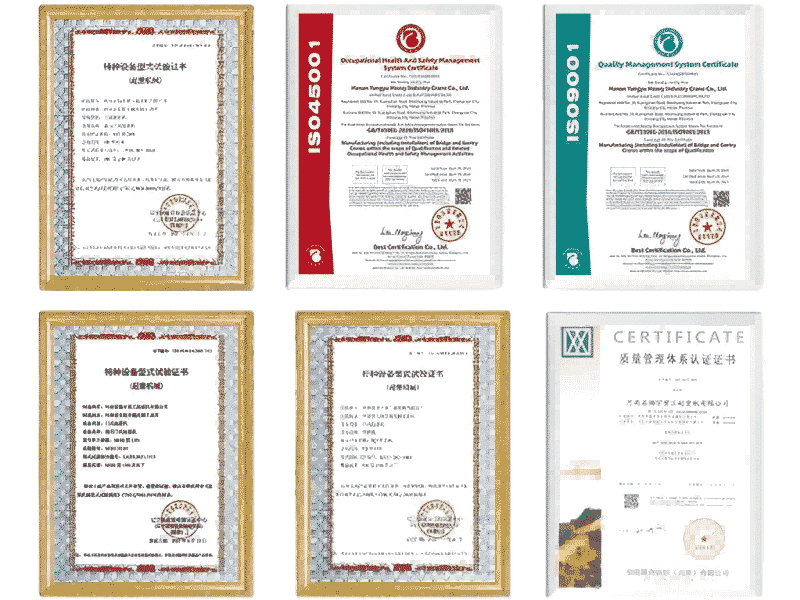
Sertifikasi Derek Kami
Derek kami (derek di atas kepala, kendaraan beroda, jib crane dan kerekan listrik) sepenuhnya bersertifikat untuk memenuhi standar manufaktur internasional dan lokal. Kami memegang dokumen kualifikasi lengkap untuk menjamin keamanan produk dan kualitas yang dapat diandalkan bagi pembeli global. Di bawah ini adalah sertifikasi utama kami:
- ISO 9001 Sertifikat Sistem Manajemen Mutu
- ISO 45001 Sertifikat Manajemen Kesehatan & Keselamatan Kerja
- Sertifikat Uji Jenis Peralatan Khusus untuk Mesin Pengangkat
- Izin Pabrikan Alat Pengangkat
- Sertifikat Audit Independen pihak ketiga
- Melengkapi Dokumen Kualifikasi Berorientasi Ekspor
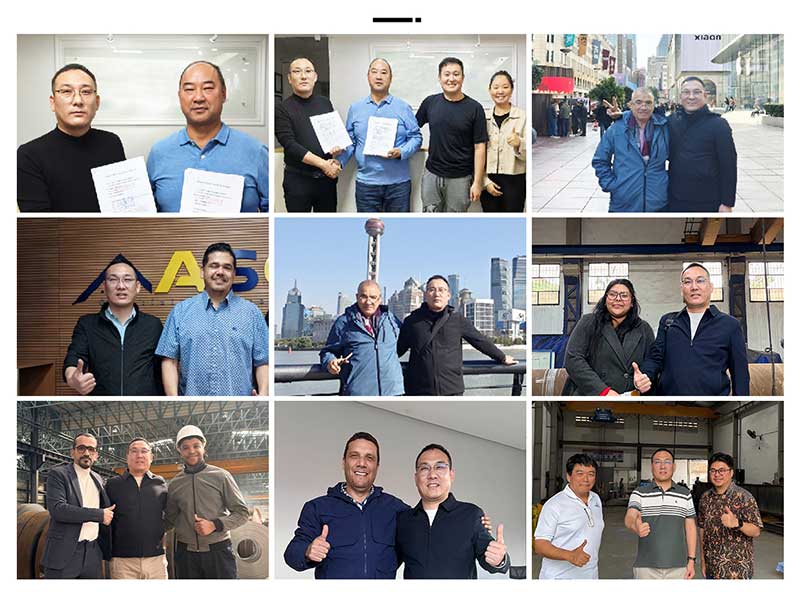
Kunjungan Khusus Kami
Kami menyambut pelanggan di seluruh dunia untuk mengunjungi bengkel manufaktur kami. Anda dapat memeriksa proses produksi crane, bahan mentah dan produk jadi tatap muka dengan tim teknik kami.
- Desain Solusi Derek yang Disesuaikan
- Konsultasi Teknis Profesional & Dukungan Penawaran
- Pelacakan Produksi & Pengawasan Kualitas
- Pengiriman Luar Negeri & Pelayanan Dokumen Lengkap
- Dukungan & Panduan Teknis Purna Jual
FAQ untuk Derek Modular KBK‑C Kaku
Harap berikan kapasitas angkat, rentang efektif, panjang landasan pacu, modus instalasi(ditangguhkan di langit-langit atau berdiri bebas), persyaratan kerekan, mode perjalanan troli dan informasi struktur bangunan bengkel.
KBK‑C yang kaku menggunakan sambungan yang dipasang dengan baut dan kaku penuh untuk menghasilkan kekakuan yang lebih tinggi, rentang yang diijinkan lebih besar dan akurasi posisi yang lebih baik. KBK Fleksibel mengadopsi sambungan fleksibel berengsel, lebih cocok untuk skenario beban ringan bentang kecil. Silakan periksa tabel perbandingan di atas.
Ya. Pilih versi KBK‑C kaku dengan dukungan mandiri yang berdiri sendiri, yang mengandalkan rangka baja independen dan baut jangkar lantai beton, tidak diperlukan beban bangunan di atas kepala.
Rentang maks standar hingga 10m, rentang khusus tersedia setelah evaluasi teknik.
Ya, kami dapat mengonfigurasi komponen listrik dan mekanis tahan ledakan secara penuh untuk kondisi kerja di zona berbahaya.
Produk Panas
Derek Gantry Girder Tunggal
- Kapasitas: 0.3t-36t; Panjang bentang: 4-35M
- Ketinggian angkat: 6M, 9M, 12M, dll..
- Tegangan mengamuk: 220V~690V
- Ketinggian angkat: 6M, 9M, 12M, dll..
- Tegangan mengamuk: 220V~690V
Derek Jembatan Balok Tunggal LD
- Gelagar kotak las tunggal
- Ketinggian Angkat: 5-50M
- Kapasitas: 1t-40t
- Ketinggian Angkat: 5-50M
- Kapasitas: 1t-40t
Hoist Listrik Standar Eropa
- Kapasitas: 1t-12.5t
- Kelas Pekerja(FEM): 1Saya punya 4m
- Ketinggian Angkat (M): 6/9 12/18
- Kelas Pekerja(FEM): 1Saya punya 4m
- Ketinggian Angkat (M): 6/9 12/18
Hubungi Kami
Yangyumech adalah produsen crane profesional terkemuka di Cina. Perusahaan kami mengintegrasikan proses penelitian dan pengembangan crane, manufaktur, penjualan dan layanan.